
What is the component of oil element?
What Are the Key Components of a Hydraulic Oil Filter Element?Hydraulic systems are the backbone of heavy machinery, powering industries like construction, mining, and manufacturing. At the heart of these systems lies a critical component—the hydraulic oil filter element. But what exactly makes up this essential part, and why does its design matter for performance and longevity?
In this guide, we’ll break down the anatomy of a hydraulic filter element, explain how each component works, and reveal what to look for when choosing the right filter for your equipment.
Why Hydraulic Oil Filtration Matters?Before diving into the components, let’s quickly address why filtration is crucial:
1、Prevents wear & tear – Contaminants (dust, metal shavings, water) accelerate component degradation.
2、Maintains efficiency – Clean oil ensures smooth hydraulic operation and reduces energy waste.
3、Extends equipment life – Proper filtration prevents costly breakdowns and downtime.
Now, let’s explore the key parts of a hydraulic oil filter element.
The 5 Essential Components of a Hydraulic Oil Filter
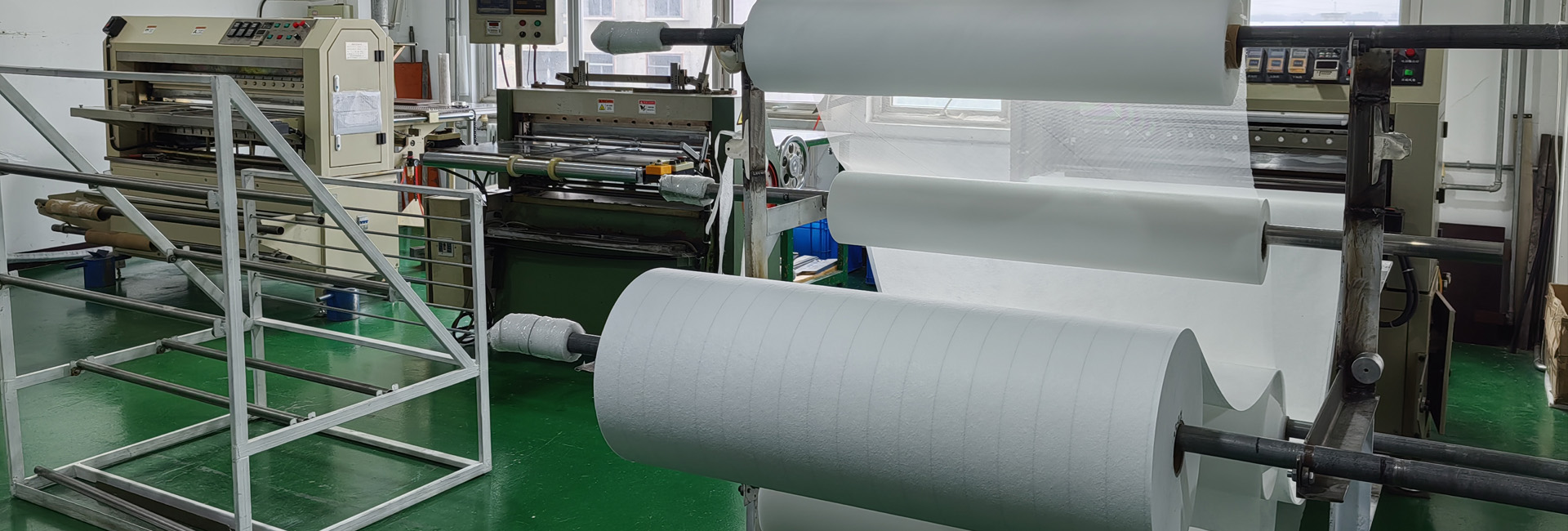
1. Filter Media – The Heart of the Filter
The filter media is the primary barrier that captures contaminants. Different materials offer varying levels of efficiency
Cellulose – Cost-effective but shorter lifespan (common in standard filters).
Glass Fiber – High dirt-holding capacity, ideal for fine filtration (3-10 microns).
Synthetic Fiber – Superior durability and chemical resistance for harsh conditions.
Metal Mesh – Used in suction filters for coarse pre-filtration.
Pro Tip: For heavy-duty applications (mining, construction), opt for synthetic or glass fiber media for longer service life.
2. Center Tube – The Structural Backbone
The center tube (usually steel or reinforced plastic) provides structural support, preventing collapse under pressure. It also allows filtered oil to flow through its perforations.
Why It Matters: A weak center tube can deform under high pressure, leading to bypass and contamination.
3. End Caps – The Sealing Mechanism
Made from metal or composite materials, end caps:
Seal the filter media in place.
Ensure a tight fit within the filter housing.
May include gaskets or O-rings to prevent leaks.
Critical Check: Always inspect end caps for cracks or warping during maintenance.
4. Bypass Valve – The Safety Net
When the filter clogs or oil viscosity increases (cold starts), the bypass valve opens to maintain oil flow—preventing engine damage.
Caution: A stuck bypass valve can lead to unfiltered oil circulation, causing severe damage.
5. Outer Cage or Protective Layer
Some filters include a metal mesh or spiral wrap to:
Protect the media from high-pressure surges.
Prevent media collapse in high-flow systems.
How to Choose the Right Hydraulic Filter?
When selecting a filter, consider:
Filtration Rating (Micron Level) – 3µm for high-precision, 25µm for general use.
Material Compatibility – Synthetic fibers handle extreme temps better.
Pressure Rating – Match to your system’s max PSI.
Brand & Quality – Cheap filters fail faster, costing more in the long run.
A hydraulic oil filter element is more than just a "strainer"—it’s a precision-engineered component that keeps your machinery running smoothly. By understanding its construction and function, you can make smarter purchasing decisions and avoid costly failures.
Need a high-performance hydraulic filter? please contact us,Highlandric specialize in high-performance oil filtration solutions.